Winter Fuel Management: How to Avoid Gelling, Contamination, and Delivery Delays

Winter brings some of the toughest conditions for fuel performance. Extreme cold, snow, and fluctuating temperatures can create challenges for homes, farms, and fleets alike.

The good news? ✅ Most winter fuel issues are preventable with proper planning and the right fuel products.

Here’s what you should know to keep your fuel systems running smoothly all winter long.

🛢️ 1. Prevent Diesel Fuel Gelling Before It Starts

Diesel fuel naturally contains waxes that can thicken in cold temperatures. When this happens, fuel flow may be restricted—causing hard starts, stalled equipment, or complete shutdowns.

How to reduce the risk:

  • ❄️ Use seasonally treated winter diesel designed for cold-weather performance

  • ⛽ Keep fuel tanks as full as possible to reduce exposure to cold air

  • 🧪 Use cold-weather fuel treatments added before temperatures drop

  • 🏠 Store equipment in sheltered or heated areas when possible

For farms and fleets, proactive winter fuel management helps prevent costly downtime during critical operations.

💧 2. Watch for Water and Fuel Contamination

Cold weather increases the risk of condensation inside fuel tanks. As temperatures rise and fall, moisture can collect and lead to water contamination, corrosion, or fuel quality issues.

Best practices for clean fuel:

  • 🔍 Regularly inspect and drain fuel storage tanks

  • 🔒 Keep fill caps sealed and in good condition

  • 📉 Avoid letting tanks sit partially full for long periods

  • 🛠️ Schedule routine maintenance for bulk storage tanks

Clean, dry fuel is especially important for today’s diesel engines, which are more sensitive to contaminants than older systems.

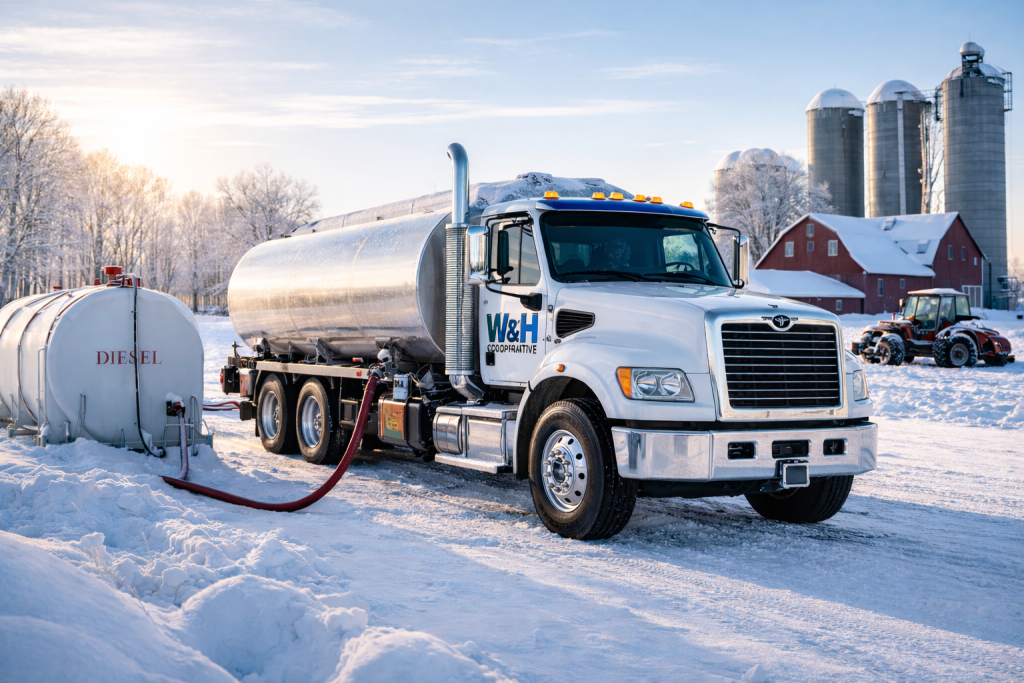
🚚 3. Plan Ahead for Winter Fuel Deliveries

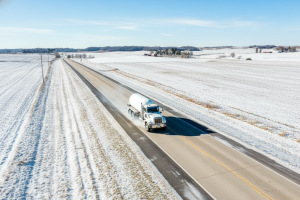
Snowstorms, icy roads, and extreme cold can impact delivery schedules. Planning ahead helps ensure fuel is available when you need it most.

Smart delivery strategies include:

  • 🔄 Enrolling in automatic delivery to avoid run-outs

  • 📅 Ordering earlier during extended cold spells

  • ❄️ Keeping driveways, fill ports, and tanks clear of snow and ice

  • 📊 Monitoring tank levels more closely in January and February

Automatic delivery is especially valuable in winter, when fuel usage can increase quickly and unexpectedly.

⚙️ 4. Protect Equipment During Cold Starts

Cold starts are tough on engines and fuel systems. Thickened fuel and heavier lubricants can increase wear and reduce performance.

Helpful tips:

  • ⏱️ Allow engines to warm up properly before use

  • 🛢️ Use winter-grade lubricants designed for low-temperature flow

  • 🔁 Replace fuel filters regularly during the winter season

  • 🚨 Address hard starts or power loss early before issues escalate

Proper fuel and lubrication work together to protect your equipment and extend engine life.

🤝 Reliable Winter Performance Starts with Preparation

Winter fuel problems are inconvenient at best—and costly at worst. With properly treated fuels, clean storage practices, and advance planning, most cold-weather issues can be avoided.

At W&H Cooperative, we prepare year-round to help our members stay warm, productive, and operational through even the harshest winter conditions.

📞 Questions about winter diesel, fuel treatments, or delivery options?
Our team is here to help—contact W&H Cooperative today and stay ahead of winter.

Ready for Reliable Winter Fuel?

W&H Cooperative is here to help you plan ahead for winter conditions. Whether you need help with delivery scheduling, fuel treatments, or storage best practices, our team can walk through your options and help you stay prepared all season long. Reach out today and take the worry out of winter fuel management.

Contact W&H Cooperative today at 800‑392‑3816 or reach out via your account manager. We’ll walk you through the best options, set up a schedule, or evaluate your tank and system. Don’t wait for the first cold snap — let’s make this winter worry‑free.

📞 Call to Schedule or Learn More

Share the Post: